


Introduction
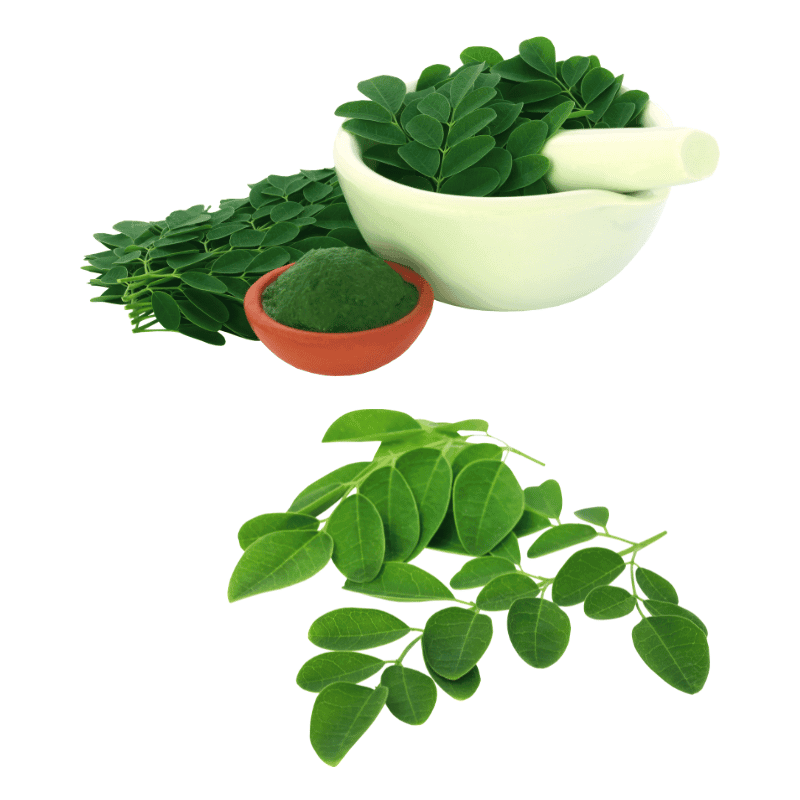
Moringa oleifera, often called the “miracle tree,” is a nutrient-dense plant native to India and widely cultivated in tropical regions. Its leaves are celebrated for their exceptional nutritional profile and health benefits, making them a staple in diets and traditional medicine systems worldwide. This article explores the nutritional value and health benefits of Moringa leaves, supported by scientific research and traditional knowledge.
Nutritional Profile
Moringa leaves are a nutritional powerhouse, containing a wide array of vitamins, minerals, and bioactive compounds. A 100-gram serving of fresh Moringa leaves provides:
Vitamins: 7 times more vitamin C than oranges, 10 times more vitamin A than carrots, and significant amounts of vitamin E and B vitamins.
Minerals: 17 times more calcium than milk, 25 times more iron than spinach, and 15 times more potassium than bananas.
Protein: 9 times more protein than yogurt, including all essential amino acids, making it a complete protein source.
Antioxidants: High levels of flavonoids, polyphenols, and moringin, which combat oxidative stress.
Fiber: Supports digestive health and promotes satiety.
These nutrients make Moringa leaves an excellent choice for addressing malnutrition and supporting overall wellness.
Health Benefits
1. Antioxidant Power
Moringa leaves are rich in antioxidants like quercetin, chlorogenic acid, and moringin, which neutralize free radicals and reduce oxidative stress. This helps prevent chronic diseases such as cancer, heart disease, and diabetes. Studies have shown that Moringa leaf extracts can protect cells from damage and slow aging processes.
2. Anti-inflammatory Effects
The bioactive compounds in Moringa leaves, including tannins, phenols, and flavonoids, exhibit strong anti-inflammatory properties. They inhibit inflammatory pathways like NF-κB, reducing inflammation associated with conditions like arthritis and atopic dermatitis.
3. Blood Sugar Control
Moringa leaves have shown promise in managing blood sugar levels. Flavonoids and phenolic acids inhibit enzymes like α-amylase and α-glucosidase, reducing glucose absorption in the intestines. Clinical studies have demonstrated that Moringa leaf extracts can lower blood glucose in diabetic rats, making it a potential aid for diabetes management.
4. Heart Health
The antioxidants and fiber in Moringa leaves support cardiovascular health by lowering cholesterol levels and reducing blood pressure. Moringa’s potassium content helps regulate blood pressure, while its anti-inflammatory properties protect against heart disease.
5. Immune Support
The high vitamin C and A content in Moringa leaves strengthens the immune system, helping the body fight infections. Moringa has been used in traditional medicine to treat malnutrition and infections, particularly in vulnerable populations.
6. Digestive Health
Moringa leaves contain dietary fiber that promotes healthy digestion and prevents constipation. The leaves also have mild laxative effects, supporting gut health and detoxification.
Traditional Uses
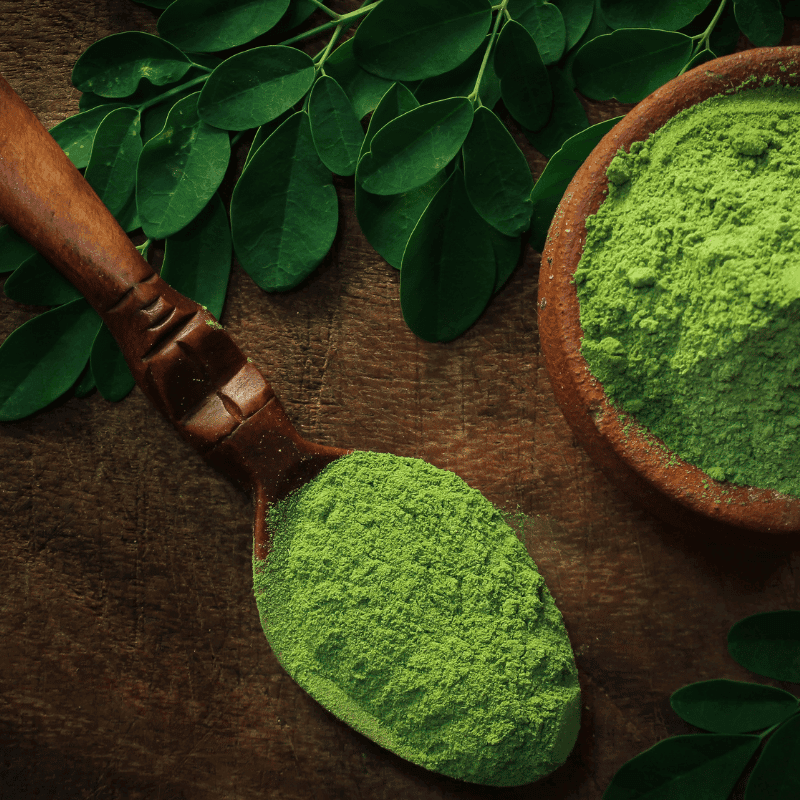
In Ayurveda and African traditional medicine, Moringa leaves are used to treat malnutrition, wounds, and infections. They are consumed as a powder, tea, or cooked vegetable in dishes like curries and soups. Moringa leaf powder is often added to smoothies or capsules for convenience.
How to Incorporate Moringa Leaves
Powder: Add 1–2 teaspoons of Moringa leaf powder to smoothies, soups, or yogurt.
Tea: Steep dried leaves in hot water for a nutrient-rich tea.
Cooking: Use fresh leaves in stir-fries, curries, or salads.
Supplements: Take Moringa capsules for a convenient dose of nutrients.
Precautions and Side Effects
Moringa is generally safe, but excessive consumption (over 70 grams per day) may lead to toxicity, affecting liver and kidney function. Pregnant women should avoid Moringa due to potential uterine contractions. Consult a healthcare provider before combining Moringa with medications for diabetes or blood pressure.
Conclusion
Moringa leaves are a nutrient-dense superfood with a wide range of health benefits, from antioxidant and anti-inflammatory effects to blood sugar and heart health support. Their versatility in culinary and medicinal applications makes them an accessible addition to a healthy diet. By incorporating Moringa leaves thoughtfully, individuals can harness their nutritional and therapeutic potential.